A lot has changed in the years since I first fell in love with gaming. And by that, I don’t just mean that I went from not having braces to having braces to not again, but gaming itself has changed – for better or worse.
Mostly, these changes have been good – much like me losing the braces, but some of the initial magic started to fade somewhere along the line.
Yes, games are far prettier, more intricate and generally offer more profound experiences than the games of old – however, fun isn’t the driving factor it once was.
And don’t get me wrong, I love games that can make me feel something, be that scared, competitive, or close to tears.
Still, there was something about the games I first fell in love with that was just intrinsically fun, even without all the bells and whistles I’ve come to expect, that I find myself missing more and more with each big title and release.
I can still remember the thrill of starting a new game and finding it so all-consuming that it was all I wanted to talk about, much to the chagrin of all around me.
Thanks to the almost disposable nature of video games today, with every day ushering in something new and shiny, it’s been a minute since I’ve played a game that made me forget about all the others until Sea of Stars.

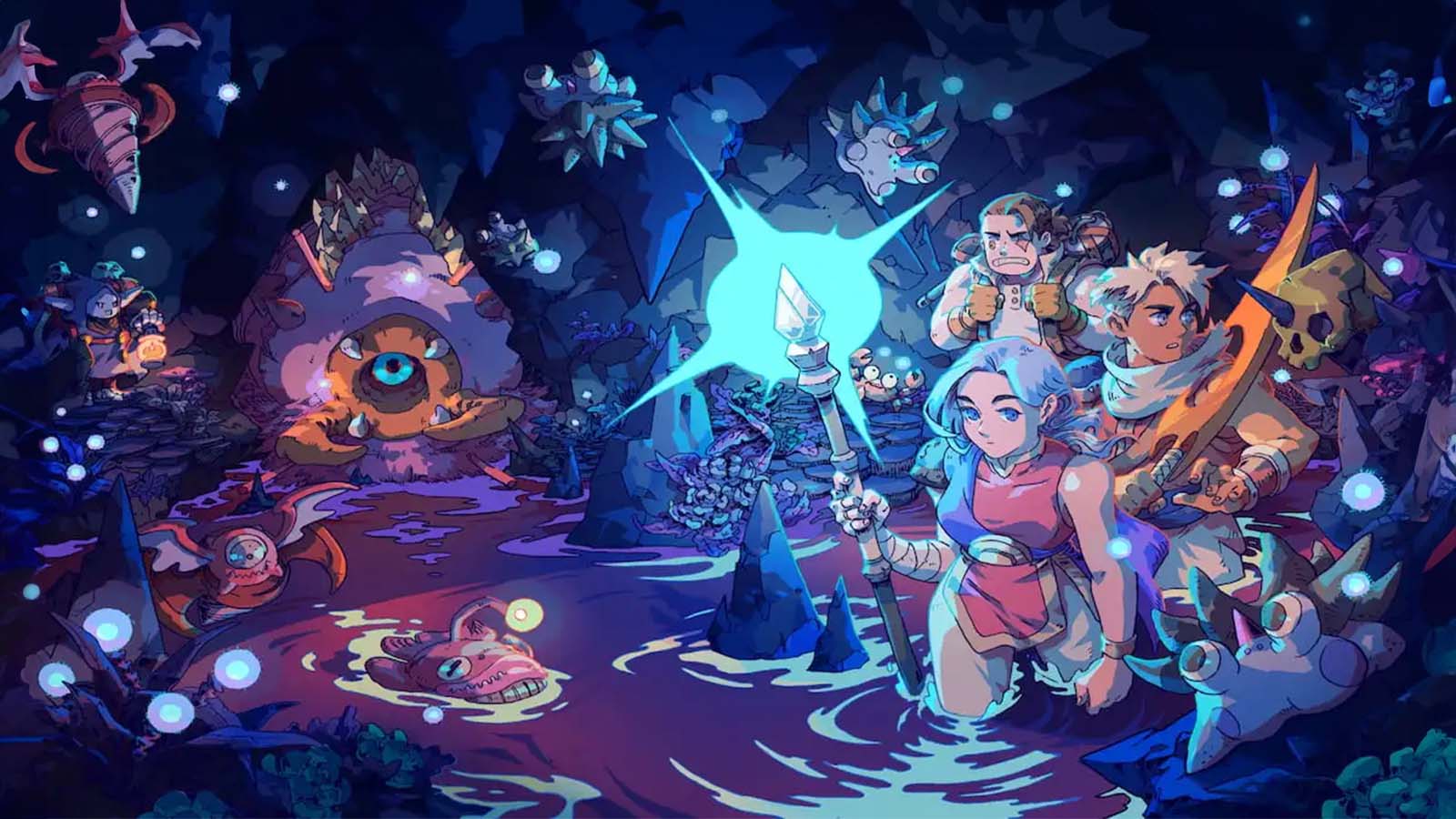
Sea of Stars is, at its core, a modern-day SNES RPG with an art style clearly inspired by the 16-bit games of my youth but with a level of polish and flair that could never exist outside of my youthful imagination back then.
The game is essentially nostalgia come to life. It has a simple premise, much like the games from my youth, that sees a group of young adventurers pit against evil forces way above their skill grade.
There is also an oddly exhilarating turn-based battle system, and it’s all complemented by a stunning soundtrack that made me want to play with the volume turned all the way up – which I can do now because I’m an adult, and I make the rules in my house.
Every time I had a chance, I would boot the game up and instantly, I was back to being a kid, playing the same type of old-school RPG that I so loved as a child and found myself wanting to talk about the game to everyone who would listen, and even to those who wished I would just shut up.
But don’t get me wrong, the magic of Sea of Stars far surpasses just its nostalgic value.

Games could only dream of looking and feeling this good back in the day, from leaves slowly moving in the breeze to water gently rippling as I passed through – Sea of Stars is very much a modern masterpiece, but one whose roots reach down deep and awaken something within my soul that I had all about forgotten all about.
Sea of Stars is the prequel to Sabotage Studio’s other retro-tinged game, The Messanger. However, you don’t need to have played or know anything about that game to enjoy this one.
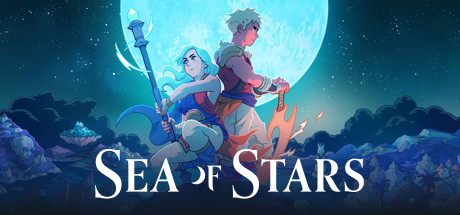
The story follows two children of destiny who train to become Solstice Warriors, legendary fighters with the power to weird the sun and moon.
The two main characters, Zale and Valere, are inseparable from the game. Still, players will choose which of the two they want to play.
While this choice only really affects which character will stand in the front line during the adventure, it still feels like you had a choice in the experience you’re about to have.
While I won’t delve further into the game’s story, I was entirely unprepared for some of the deep and heavy themes that the story explores.

Starting out, the experience felt like something I would have expected from the games that shaped me, but the character development throughout is very much in line with what I’ve come to expect from modern-day RPGs.
The two children of destiny are also not the only characters you’ll control throughout the game.
As you play and explore, you’ll meet an entire cast of colourful characters who will join you, at least for a while. Each of these will add its own personality and flair to the battles you’ll face together.
Each character also comes with unique abilities, and while the overall party will grow, only three characters can ever be on the battlefield at one time.

However, unlike the RPGs I grew up on, where I would more often than not pick my three favourite characters and all but forget about the rest, Sea of Stars lets you switch party members on the fly, which means if you come face to face with an enemy that’s weak to a particular element, but you don’t have anyone in your party who can face them, you swap around.
The game also encourages you to swap between characters more often by ensuring that everyone in the party gains experience from battles simultaneously, so you’re never left with any one character levels behind any of the others.
The battle system the game is built around is another area where Sea of Stars takes from the best of a bygone era but makes it its own. The game follows your standard turn-based RPG flow, where each character will get to act out their tun without interruption.
However, there will be a countdown next to each enemy, which tells players when they will attack and lets players plan their moves and counterattacks accordingly.

Now, this system doesn’t reinvent any wheel. Still, the added layer of strategy kept an old, grandfathered-in system feeling new and fresh and offered a level of strategy that turn-based systems seldom have.
There is also a quick time-like system that lets you do more damage or block more damage if you manage to time your attacks or blocks perfectly, which added something to the game and made each battle just that much more immersive while in it and feel so much more rewarding when everything goes in your favour.
And finally, to complement all this, the areas and dungeons you’ll be exploring are all filled with secrets to find, puzzles to solve and treasures to discover – just like any good RPG should have.
There’s also fishing, something I despise in real life but love in my RPGs.
Sea of Stars is a modern yet classic feeling RPG that can hold its own against the best the era had to offer. Sea of Stars is so inherently fun and well-crafted that it stands out even amongst an endless stream of modern AAA games.