Over the last few years, Internet users have witnessed a disturbing and worrying rise of Deepfakes, one of the more troubling leaps in AI. While there are apparent times and places where Deepfakes can do good, more often than not, they are just videos of people saying and doing things they’ve never done to fool all of the keyboard warriors over on Facebook.
To explain Deepfakes in a nutshell. They are created when two faces are overlayed. More often than not, the resulting videos are funny without any ulterior motives. An example is when users lay their faces over celebrities and fool their friends into thinking it’s them on stage at the League of Legends finals, not Lil Nas X.
But as with everything that starts good and then gets introduced to the world wide web, there is a seedy underbelly that does intend harm with this technology and uses it in ways that hurt the people whose faces have been stolen. However, it turns out Intel has been working on an AI to counter the Deepfake craze we’re currently experiencing.
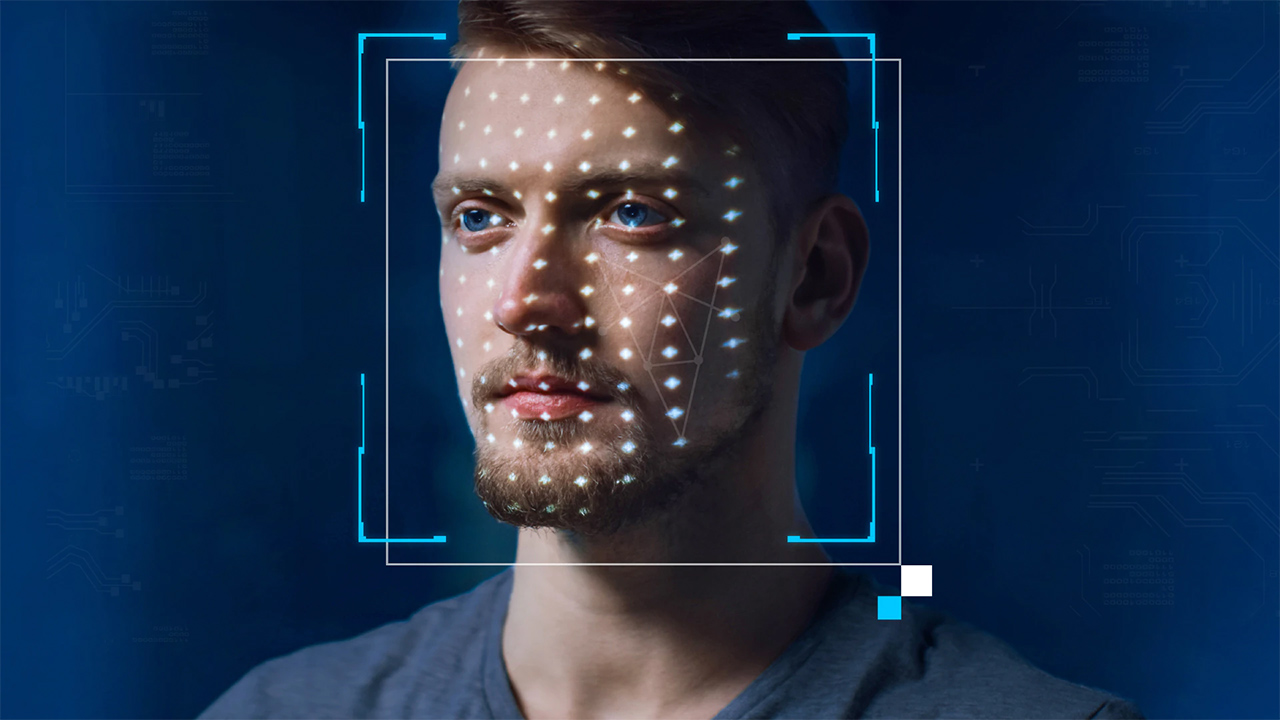
Intel has been developing the ‘FakeCatcher’ as part of their Responsible AI work. Essentially this is a tool specifically designed to detect fake videos like Feepfakes in real-time, with a 96% accuracy rate. In the video released by Intel, they explain how they trained FakeCatcher with deep learning techniques to detect what a real human looks like in videos and to notice the small ticks that make people real.
Deepfakes may be good enough to fool most viewers who don’t pick up on subtle changes like blood flow in pixels of a video, but that’s where the FakeCatcher comes in. When it’s ready, FakeCatcher will be a web-based platform that should, in theory, allow anyone to access it.