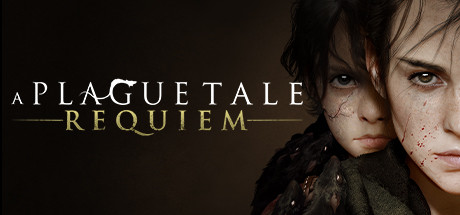

The story is set after the harrowing events of A Plague Tale: Innocence and once again follows Amicia and her little brother Hugo. They find themselves thrust into the very jaws of violence, horror and trauma once more. It doesn’t take long for the iconic plague of rats to make their appearance, but unlike the first time around, players will now be able to use Hugo’s connection with the rats to control the swarms.
Now I’m going to try my best not to touch on any of the story beats or moments. Still, it’s so beautifully told and so well handled that it’s hard to skip over it in its entirety. Instead, I’ll talk about how well the characters and their growth throughout the games are handled.
Amicia is one of the most powerful female protagonists in games. She is tough, resilient, and strong, but more importantly, she is also human. There are moments of vulnerability, pain, and panic that seem to come from Amicia and me simultaneously. Throughout the game, there is a connection formed that few other games can make so effortlessly.

One of the only problems I had with A Plague Tale: Requiem comes down to personal playstyle preference. The core gameplay resembles the first game, with most of the game being spent carefully navigating through areas teeming with guards and rats and trying not to get caught by either. In video games, like in life, stealth is not my forte.
I’m far more apt to run into the thick of things, arms flailing and hoping beyond hope that I manage to kill a few foes in the chaos that is me than I am to sneak around, silent as a mouse. The only problem with this is no matter how hard I tried to bend the game to my playstyle or how high I had levelled the “aggressive” track, A Plague Tale: Requiem will make you kneel and play the game its way – not the other way around.
That’s not to say this is a game without combat, quite the contrary, by the end of the game, I had racked up a kill count that could only be rivalled by the rats themselves and thanks to a nice variety of tools and alchemy, the combat never feels too ‘samie’ or stagnant.

While compiling this review, I completed the game on PC and PS5, and honestly, if I could play the game on one platform, PS5 would be it. The way the game utilises DualSense’s haptic feedback means that every footstep and heartbeat gets felt through your entire body and helps to immerse you further every step of the way.
From graphics to world-building, vibrant locations to story and voice acting – A Plague Tale: Requiem fills all of these boxes, making it one of the more enjoyable titles of the year.