Returnal is, at its heart, a roguelike. One I thoroughly enjoyed after my many, many runs, and can happily recommend to anyone who takes an interest in either the roguelike genre itself or horror-themed games in general—but hold on, we’re not at this point yet.
Returnal is, at its heart, a roguelike. Embracing the inevitability of death, and the randomness of the myriad beneficial and harmful (sometimes both) drops in the game’s constantly transforming zones quickly makes it clear that progress comes in various forms, not strictly story-based—no, still too far ahead.
Returnal is, at its heart, a roguelike. A third-person, sci-fi shooter styling itself as a psychological horror, with a core focus on smooth movement and gunplay. You dodge and jump over attacks from the world’s Lovecraftian enemies while returning fire using alien-themed weaponry of the rifle, shotgun, and pistol variants—wait, I missed something.
Returnal is, at its heart, a roguelike. It features “in the general direction” aiming mechanics, meaning you don’t need to aim directly at enemies to hit them. The DualSense controller has been used in interesting ways here, with adaptive triggers allowing alt-fire and aiming-down-the-sights both on the L2, accessed by either a full- or half-press respectively, active reloads by tapping R2, and haptic feedback for weather effects, enemy positioning, and other sounds. This takes some time to fully grasp, which lends to the skills-based progression aspect of the game—let’s double back.
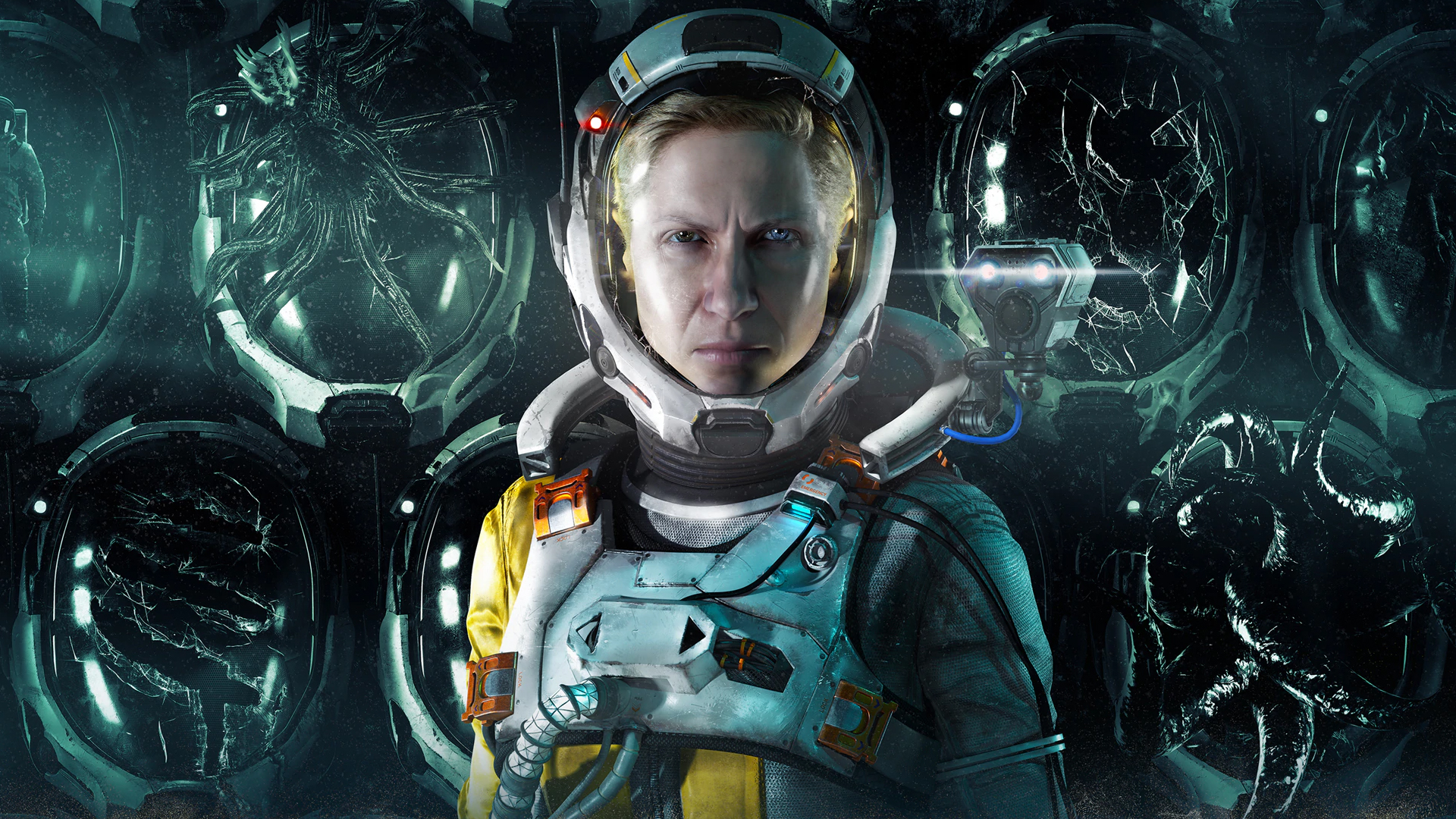
Returnal is, at its heart, a roguelike. Protagonist Selene leaves her freshly-crashed ship, the Helios, to discover not only Atropos, the hostile alien planet that transforms itself every time she dies and mysteriously returns to her ship, but also that she has actually been here before. In fact, she has been here before many times, as evidenced through audio logs dropped by her long-dead past selves, some that succumbed to the mystical influences of the planet—okay, where was I.

Returnal is, at its heart, a roguelike. A gorgeous roguelike comprising six unique zones, themed to some backdrop like a jungle or desert, containing between twenty and forty transforming (did we cover this?) areas with varying enemy types. The different zones are exquisitely presented in glorious 4K60 HDR (if you have a compatible screen) using the PS5’s Tempest 3D Audio engine (if you have a compatible headset). Each zone also has side areas that can unlock benefits including transmutation, suit upgrades, and even a regenerator of sorts that helps prolong your current run by setting a spawn point—almost had it that time.
Returnal is, at its heart, a roguelike. More rogue-“lite” than roguelike in truth, since along with the temporary power-ups that are entirely random, every run also unlocks permanent upgrades, making subsequent runs easier than the first. The game leans into this by slowly unlocking more of Selene’s story per death, and making subsequent areas easier to reach after you have progressed to them the first time. This means it’s not as difficult as it first seems, you just need to keep pushing and persevering and eventually you will make progress—progress like, wait, where were we? Oh.

Returnal is, at its heart, a roguelike. That means if you die before reaching the final zone in the game and completing the story, you’ll restart from the beginning (the Helios, did I mention this?) over and over and over again until you do it correctly. This is partly up to pure luck, due to the randomness of temporary upgrades, but also up to your ability to grasp the mechanics of the game. Developer Housemarque – best known for the entertaining but oddly-named PS4 release window title Resogun – is back for the PS5 release window with an oddly-named PlayStation 5 exclusive aiming to bring the roguelike genre to the AAA market. And, oh boy do they—dammit, okay one last time.
Returnal is, at its heart, a roguelike. I could draw comparisons to other emergent roguelikes the likes of Hades or Dead Cells, or even other horror games the likes of Dead Space or The Evil Within. To tell the truth, this game feels more like the best parts of Vanquish, Control, and Nier Automata. Only instead of twenty-six endings, it’s an infinite number of endings, with one of them being canon. Life after life, death after death, it feels like a new world you are slowly exploring and learning, improving yourself as you go, and that is easily the most rewarding aspect of this mystery- and monster-filled game.