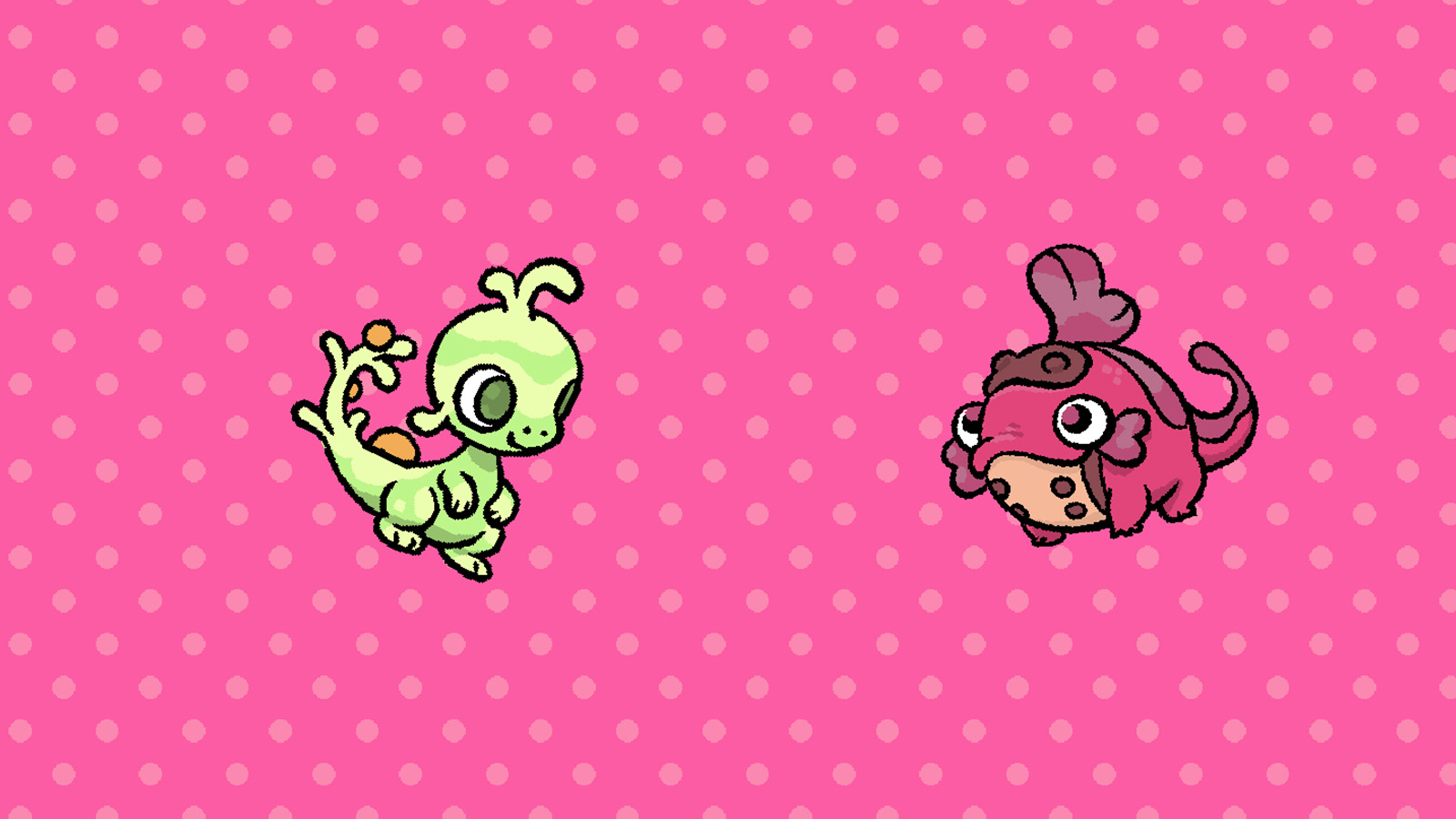
So you’ve decided to start playing Beastieball. Whether you’re trying to conquer ranked coaches, make lifelong Beastie friends, or figure out why your Humflit looks different from your friends, this guide has you covered.
We’re here to help you volley your way to victory and avoid any rookie pitfalls in this colourful and chaotic game that has been keeping us up way past bedtime! Now, let’s dive in.

What is Beastieball?
At its core, Beastieball is a game of volleyball, but with Beasties – adorable creatures that play alongside you. Here’s a quick rundown:
Objective: Win matches by wiping out the opponent’s team or scoring enough points.
Gameplay: Matches feature two active Beasties per team and three on the sidelines. You get three moves to pass, reposition, or attack with each turn.
Damage Mechanics: Beasties take more damage farther from the net.
Team Dynamics: Build relationships between your Beasties to unlock powerful combos and abilities.

Understanding Beastie Types
Unlike other creature-collection games, Beasties don’t follow strict elemental types. Instead, they align with three attributes: Body, Spirit, and Mind.
Each Beastie’s unique balance of these attributes affects its playstyle, personality, and effectiveness on the court.
Body:
These Beasties have physical prowess. Think muscles, armour, and big hits.
Strong in dexterity and vitality. This means they have good physical self-control and can do impressive ball manoeuvres.
Associated colours: Yellow/Orange.
They also have more balanced, consistent moves that don’t have apparent weaknesses or drawbacks.
Spirit:
Passion and determination. These are the heartfelt motivators of your team that tend to be be passionate, strong willed and determined.
High charisma and emotional impact, which means they protect and care for their teammates.
Associated colours: Red/Pink.
These Beasties also have powerful moves with drastic costs and consequences.
Mind:
The tacticians and tricksters. These beasties tend to be smart and calculating.
Clever moves with tricky side effects. These moves are generally weaker but have powerful and often debilitating status effects.
Associated colours: Blue/Violet.

Do The Colours of Beasties Matter?
The short answer? Not usually. But here are the exceptions:
Raremorphs:
These are the game’s equivalent of shinies – rare colour variants with no gameplay impact. They’re just cool.
Humflit Variants:
Humflits have two distinct colour forms that determine their evolution:
- Dusky blue and bright orange become Heliath.
- Warm grey and pale yellow become Lunaptra.

Building Your Beastie Team
The right team can make all the difference. Experiment with different combos, and remember: relationships matter! Partner, rival, bestie, or sweetheart dynamics between Beasties can unlock powerful combo moves.
Here are some combos and Beasties to consider:
Mistic with Armantis:
Mistic’s immunity to body attacks forces enemies to target Armantis, spreading Shook status and limiting their offence. Mistic also learns “Sticky” as a defensive play.
Grazada:
Learns “Stinky” to redirect attacks and control enemy positioning.
Diggum:
Great for setting up defensive plays with its wall-building abilities, incentivising more attacks at Armantis.

Contacts and Social Battery
In Beastieball, building connections isn’t just fun – it’s functional. As you get to know your friends and fellow coaches, they’ll teach your Beasties unique plays.
Social Battery: Each hangout with a coach costs one social battery.
Recharge: Your social battery replenishes a chunk after every match you play against a roaming team.

Relationships and Combos
Relationships develop naturally as Beasties play together. These relationships fall into four categories:
- Partners
- Rivals
- Besties
- Sweethearts
Each relationship type impacts combos, powerful moves you can trigger in matches. Combos charge as your Beasties volley together and can:
- Restore stamina
- Buff stats
- Deliver stronger attacks
The type of combo depends on the relationship between the Beasties involved. Beasties can maintain up to five active relationships. The least-used relationship will fade if a new one forms beyond the cap. However, replaying with that Beastie will restore the previous relationship.
You can check the status and type of relationships for each Beastie in their menu.

Learning Plays
As Beasties play together, they may learn new plays from one another. Here’s how it works:
They don’t need to be on the field together – just part of the active team with an established relationship.
Pro Tip: Press ALT or F to clap for your leading Beastie – it’s cute and morale-boosting!

Beastie Metamorphosis
Metamorphosis is Beastieball’s version of evolution. Here’s what you need to know:
Triggering Metamorphosis:
Some Beasties require specific conditions to evolve, such as levelling up or interacting with specific environmental features.
Branching Paths:
Certain Beasties, like Humflit, can evolve into different forms based on their variant.
Tips:
- Cancel a metamorphosis by pressing ESC (or equivalent).
- Trigger it manually from the details page if it is cancelled earlier.

Railhouses, Reserves, And Away Teams
Railhouses:
Act as healing stations and fast travel hubs.
Reserves:
Once your team exceeds five Beasties, extras are sent to Reserves. You can swap them into your active team anytime.
Away Teams:
Assign reserve Beasties to form Away Teams at Railhouses. These teams earn EXP from their matches but won’t metamorph while away.

Playing Matches: Buffs, Feelings, And Combos
Mastering match mechanics is key to winning:
Buffs: Temporary stat boosts gained through traits and plays. Buffs last until a point is scored.
Feelings (Status Effects) can be positive or negative:
Jazzed: Boosts offense stats.
Sweaty: Causes stamina loss each turn.
Noisy: Redirects attacks to the affected Beastie.
Other feelings like Stressed, Shook, and Nervous each have specific gameplay impacts.
Combos: Build relationships to unlock combo moves. Depending on the relationship type, these can heal, buff, or deal extra damage (Partners, Rivals, Besties, or Sweethearts).

Training and Coaching Your Beasties
Before diving into PvP, here’s what you should know:
Level Scaling: Default PvP lobbies scale Beasties to level 50, so don’t worry about under-leveled teammates.
Coached Value: Each Beastie has a “Coached” percentage that affects its base stats. Max this out (100%) by:
- Playing single-player matches.
- Using items found in certain post-game shops.
- Stat Training: Boost stats through gym training or matches. Every four training points increases a stat by 1.
Training Tips:
- Focus on the Beastie’s primary attack stat and lowest defence.
- Beginners should include at least one attack move per Beastie.

And there you have it – your one-stop guide to Beastieball. Whether recruiting your first Beastie or mastering the intricacies of team dynamics, remember to have fun and experiment.
After all, the best plays often come from thinking outside the net! Now get out there, clap for your Beasties, and make some unforgettable volleys.
Stay tuned for our full Beastieball review, coming soon.