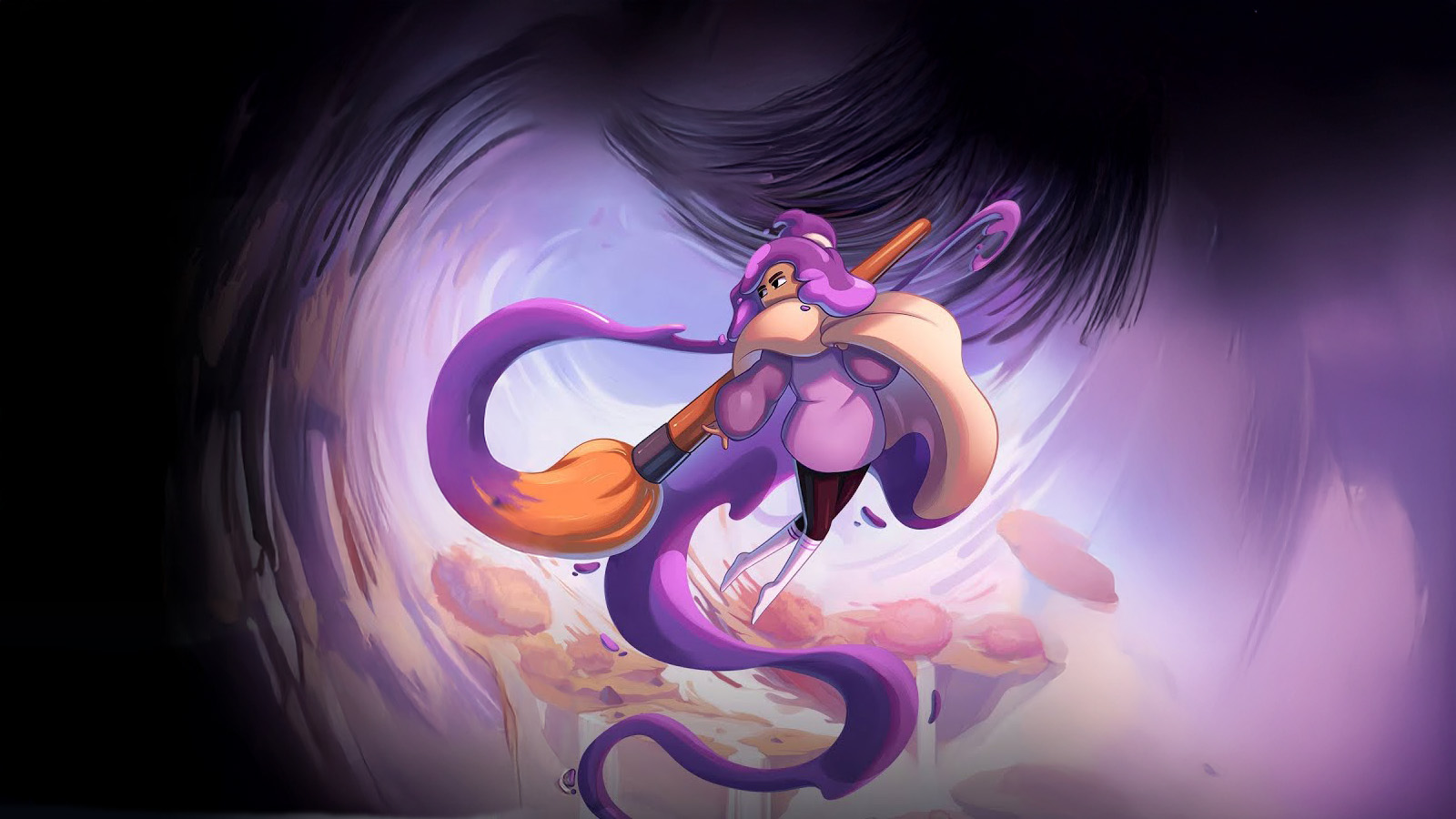

The first thing that grabbed my attention when it came to playing the demo for Constance was its theme – and let’s be clear, this isn’t just another Hollow Knight clone. This 2D Metroidvania stands out thanks to its unique narrative: you step into the shoes of Constance, an artist trapped in a world shaped by her deteriorating mental health. It’s heavy, sure, but it’s handled beautifully.
At its core, Constance has all the Metroidvania staples – platforming, backtracking, unlocking new skills to reach hidden areas, and, of course, boss fights.
If you’re a Metroidvania fan, you’ll feel right at home. But where Constance truly shines is in how accessible it feels. It’s refreshing to play a game that genuinely wants to be enjoyed by everyone, not one that thrives on punishing you for trying to have a good time.
One way that Constance aims to be more friendly than I’ve come to expect from the genre is in how it handles death because, let’s be honest, it’ll happen, and if you’re me, it will happen a lot.
But when you die, the game gives you two options. You can either respawn at the last save point or continue with a slight reduction to your max health. It’s a great way to balance difficulty, letting you choose whether to backtrack or push forward.

Visually, the game is stunning. Each biome is hand-drawn, and the enemies you face represent different aspects of Constance’s psyche and history.
It’s all incredibly well-designed. Even the enemy’s behaviour is intuitive based on how they look. For example, a robot standing in a fencing pose with a paint scraper gives away its plan to lunge at you. The telegraphing here is so smooth that you almost feel like you’re in on the secret.

And then you have the fluid and challenging platforming and a clever twist on the health system: when you pick up health while at full capacity, it fills a bubble next to your health bar, letting you recover during combat or tricky platforming sections. It’s a small touch, but it makes a big difference.
Now, all that being said, Constance isn’t a cakewalk – it’s challenging, but it is satisfying. And to make it even better, the developers are actively working on accessibility options, so whether you’re thinking of diving for the story or the challenge, you’ll be able to tailor the experience to your needs.

In a genre that often leans hard into punishing difficulty, it’s refreshing to see a game that wants to be inclusive and fun for everyone.
BOTTOM LINE:
The Constance demo showcases a beautifully crafted Metroidvania with fluid gameplay, stunning art, and a refreshing commitment to accessibility. It’s tough but fair, and most importantly, it feels unique.