Lately, few games have managed to hit the right balance of telling a good story while also keeping the gameplay enjoyable. With the slew of titles that keep hitting whatever storefront we look at, it’s usually only one game here and there that cracks it.
Tales of Kenzera: Zau is one of those games.
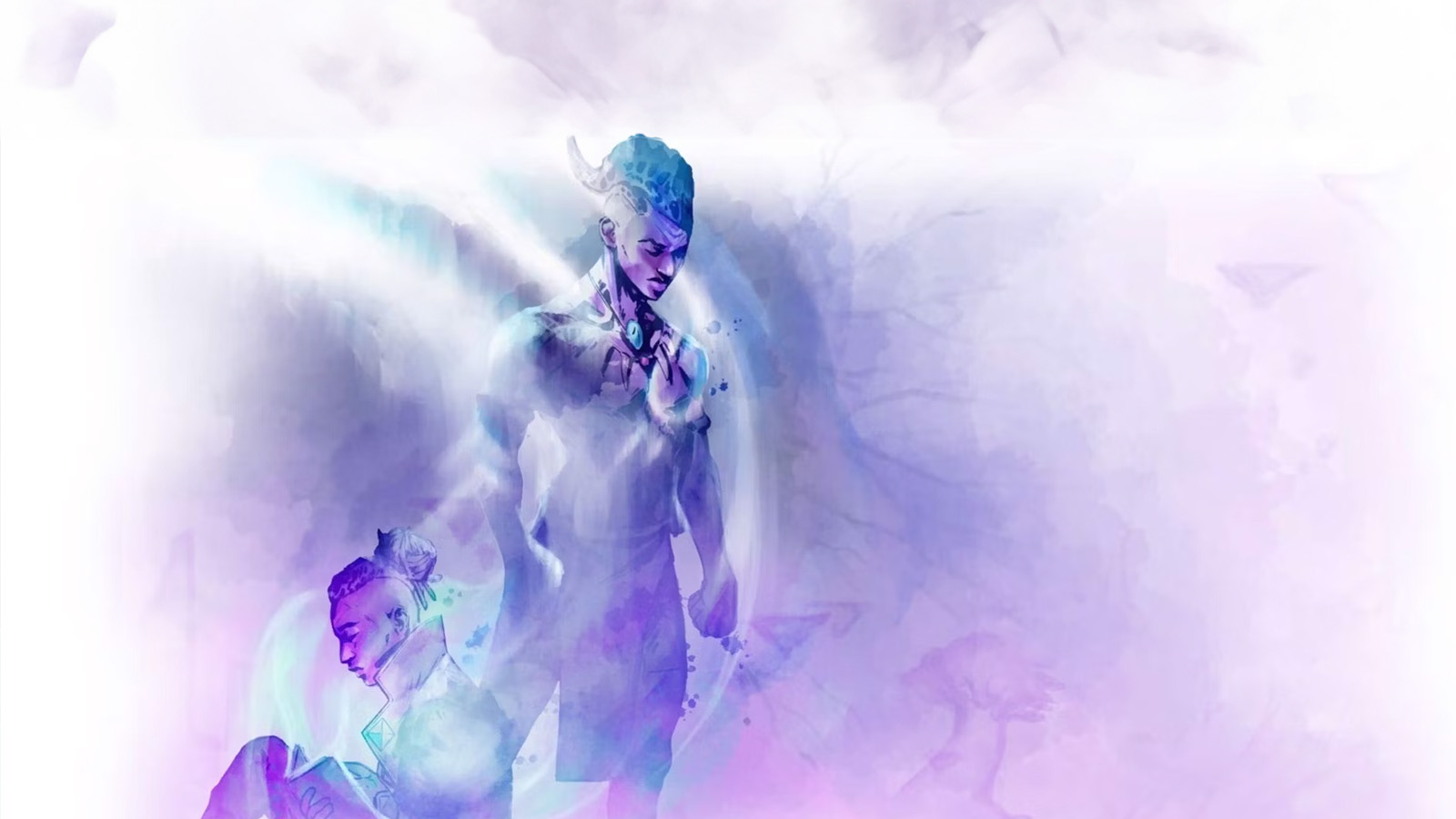
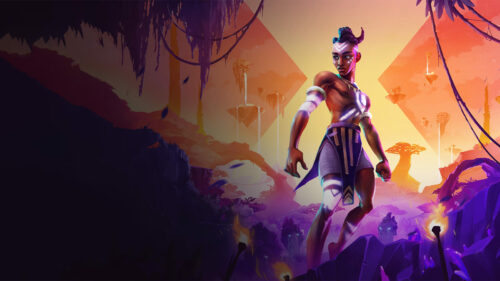
The story begins in Kenzera, an Afro-futuristic city, where we meet Zuberi, a son who has just lost his father and struggles to understand and cope with what has happened. One possession left to Zuberi by his father is a story written on his deathbed about a young African shaman, Zau, who ignites a long-running deal with death to bring his own father back to the living.
It’s this story of loss, grief, inner conflict, responsibility, healing and acceptance that so many of us may have faced in real life that is told so well through this game, not only through the cut-scenes between the characters but through the whole game as a medium.
The developers chose the Metroidvania game style to symbolise the idea of making one’s own choices through the journey of grief, even if the end result is the same. Do you know what else comes with choosing your own path in a Metroidvania? Platforming, and not only the satisfying platforming that you get when you pull off the most epic double jump into wall jump into dash into smash boost into wall slide, but also the platforming that involves almost throwing your controller at the screen because you keep insta-dying to one of the spikes on the roof of the cave. (Yes, Arielle, I got upset over a game.) I’m not sure if this was made as frustrating as it was on purpose to somehow symbolise a moment of weakness in my journey through grief, but it most certainly helped keep me on the constant rollercoaster of emotions coming from the characters.

Another smartly developed move in the game is the timing at which each ability is unlocked. As you progress through the levels, in typical Metroidvania fashion, you will need specific abilities to get to specific platforms. Initially, these abilities feel like the first stages of grief: freezing people out or throwing angry comments at others, but later on, they feel more like you’ve come closer to terms with what has happened, allowing yourself to go with the flow or direct your strength towards a useful direction.
These abilities also affect combat, which Surgent Studios calls the shaman’s dance. In-game, you wield two different masks, one representing the sun’s power and the other the moon’s. One gives you more powerful and impactful hits, while the other gives you a more fluid, ranged combat stance. The ability to swiftly switch between these two masks, and in turn, two combat styles, is the dance Surgent refers to. In the beginning, it may not seem like a necessity, but as the enemies get harder and hoard-ier, this dance becomes vital. It’s pretty satisfying to crack, but there were quite a few occasions I found myself pausing and thinking out the situation after my third-or-so-death.
This constant back-and-forth between frustration and satisfaction definitely helped put across that feeling of journeying through grief.

To add to all this clever development is a fully voice-acted cast, and while small in totality, each character is excellently played. Surgent Studios even had each character’s voice acted in Kiswahili to further pay homage to the game’s African roots.
“Sure, it’s a really well-told story,” you’re telling yourself, “but is it any fun to play?”
The straight answer is yes. This ten-or-so-hour journey is just simple enough for you to disconnect from the worries of the world and play, yet engaging enough that you’ll need to activate “gamer mode” and sit up from the back of your couch. The combat is fluid and flashy, and the platforming can have that satisfying parkour-like feel to it when you hit the buttons just right.
Overall, Surgent Studios has perfectly balanced the satisfaction of playing a game after a hard day’s work with the engagement and interest of watching one of your favourite TV shows.