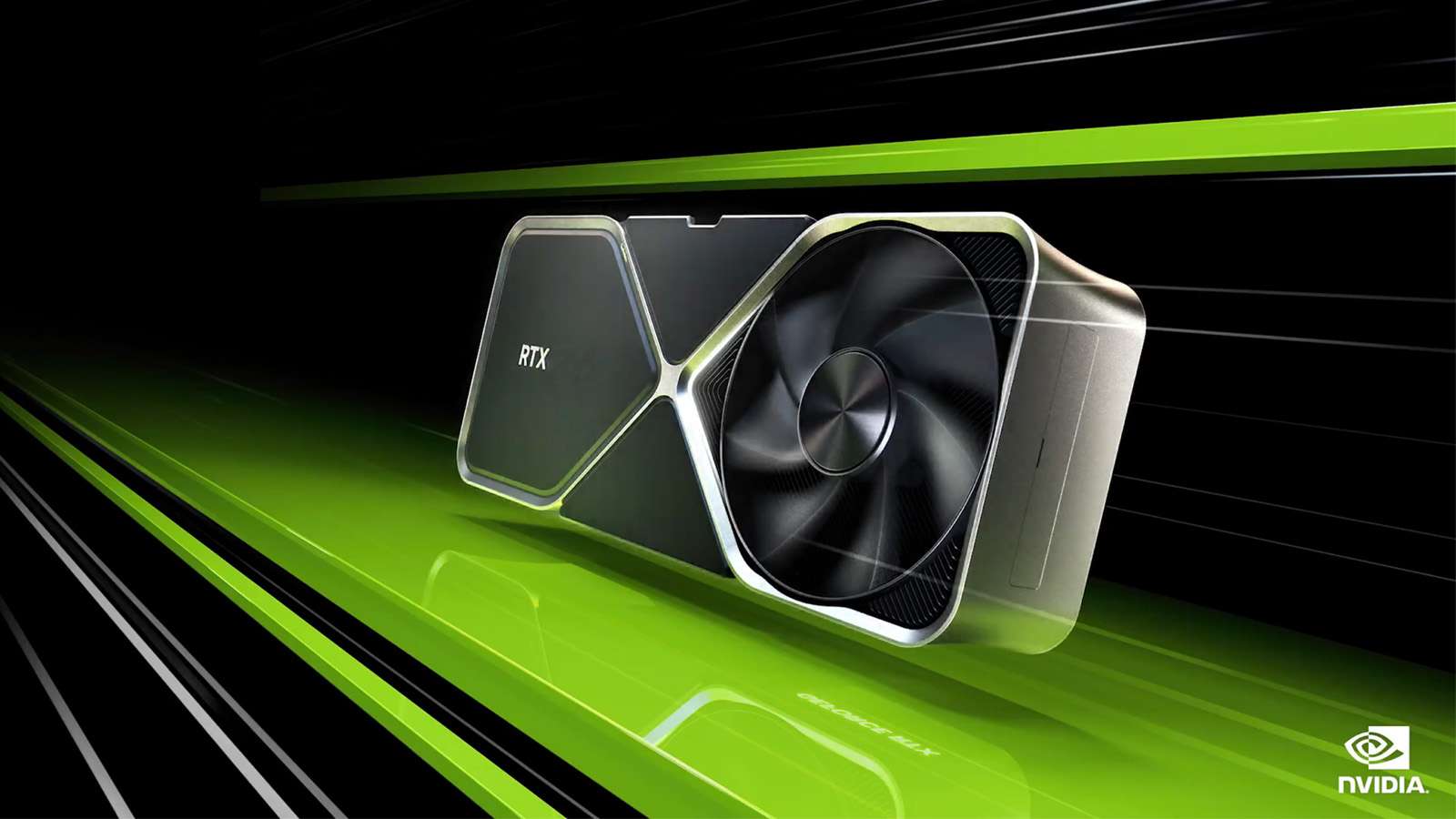
The historically reliable leaker, hongxing2020, has revealed potential mid-life upgrades in the works for Nvidia’s ADA Lovelace-based GeForce RTX 4000 cards. Specifically, the GeForce RTX 4070, 4070 Ti, and GeForce RTX 4080 GPUs are on the radar. According to his information, Nvidia intends to introduce at least three refreshed GPUs, all of them bearing the “Super” moniker, a nomenclature we last saw with the GeForce RTX 2000 series during its mid-life refresh.

Details beyond this point are scarce, but it wouldn’t come as a surprise if one of these three SKUs is indeed a GeForce RTX 4070 Super. This upgraded version would likely retain the same AD104 die while enabling additional SM (stream multiprocessor) units. Setting its aim at AMD in the wake of the company’s latest entries, the Radeon RX 7800 XT and Radeon RX 7700 XT.
On the other hand, despite its improbable name, the rumoured GeForce RTX 4070 Ti Super would necessitate a different Ada Lovelace die as it’s completely exhausted the SM count on the current one. The most obvious choice for Nvidia would be the AD102 die, as seen on the GeForce RTX 4080.

As for the GeForce RTX 4080 Super, it, much like the 4070 Ti Super, would have to adopt a different die, likely akin to the one found in the GeForce RTX 4090. The potential inclusion of a wider memory bus and increased flexibility in SM count could provide a performance boost, bringing it closer to the present-day GeForce RTX 4090 but at a more accessible price point.
Currently, no other corroborating information is available, making this rumour just that – a rumour. A healthy dose of scepticism is advised. Nevertheless, it’s improbable that NVIDIA would let another 12-month period pass without an update, especially considering the absence of the expected entry-level GeForce RTX 4050.
Rest assured, however, we’ll keep you informed as more information surfaces. A refreshed and reasonably priced GeForce RTX 4000 lineup could significantly improve the range’s overall sentiment, particularly in addressing pricing and performance disparities concerns.