What makes a horror game genuinely terrifying? Is it the setting, a familiar environment? Or is it something else that feels a little too close to home that makes us want to sleep with the lights on at night?
Whether you love it or hate it, there is no denying that horror is one of the few genres that can genuinely make players feel something, for better or worse – and making you feel something is where Layers of Fear truly shines.
When it comes to Layers of Fear, the horror starts before you even play the game. Despite sharing the same name, it’s a psychological horror game that is neither a sequel nor a total remake of the 2016 original game.
Instead, Layers of Fear can be thought of as a chopped-up and sewn-together monster that takes the original game, the 2019 follow-up, and all the previously released DLCs and throws in a few new stories to create an abomination that has never felt, looked or sounded more alive.
For those who aren’t already aware, Layers of Fear is a walking sim that puts players into the tortured and disturbed minds of a collection of artists; a painter, an actor, and a writer. The game lets players piece together the stories of each by finding handwritten notes, newspaper clippings and more, which all come together to reveal the past atrocities that each character has endured – and inflicted, in the name of their art.

They say that writing is easy. All you need to do is slit your wrists, sit at the keyboard and bleed, and boy, oh boy, does Layers of Fear bleed. The game reintroduces the familiar yet alarming stories of the painter and the actor of the previous games.
But this time, it also introduces the story of the writer. This story weaves in and out of the other two narratives like a shadow that catches the corner of your eye in the dark, so close yet constantly out of your reach.

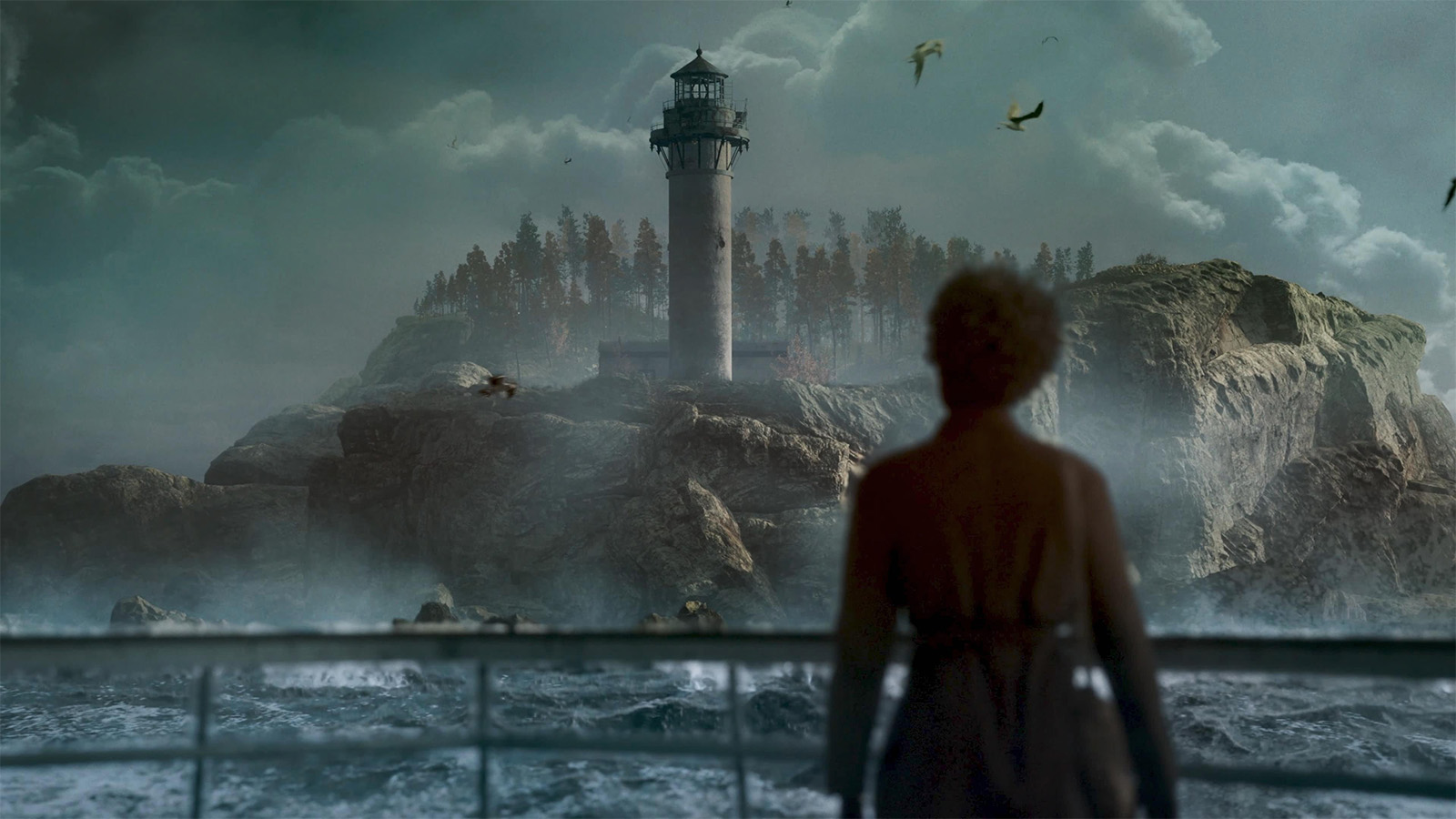
The writer’s storyline follows an unnamed woman staying in a remote lighthouse to finish a book she’s writing about the painter. But like the other protagonists in the game, the writer has her own demons clawing at her and tearing her apart.
While this new story doesn’t do much to stand on its own, as a way to bond the other stories together, it’s faultless. It also provides some much-wanted answers depending on what ending players manage to unearth during their playthrough.
If there is something that Layers of Fear has more of than trauma and atmosphere, it’s story. There is so much of it that it could easily tip the scales from being fleshed out to becoming burdensome. Thankfully, the game provides recorded dialogue for everything in the game.

From letters to notes and even newspaper clippings, everything is voiced in a way that complements each story and is delivered in such a commanding and convicting way it kept me glued to the game and invested even when I would have long ago stopped reading the massive amount of writing in the game.
I’d also be remiss not to talk about and acknowledge the difference in texture, lighting effects, and the changes these bring to the game. While Layers of Fear has always been a brilliant example of psychological horror in games done right, much of the experience was still up to the player to conjure up and breathe life into with their imagination.
Layers of Fear no longer feels like it needs any input from the players to be terrifying. Instead, the game has so many scenes that are truly striking in their beautifully twisted way, hand outstretched, offering to take you along for the ride if you dare.