There is something different when you play The Last of Us Part 1, which goes beyond just a prettier coat of paint, and that difference is pain. Before I go any further, let me preface this by saying I’m no stranger to The Last of Us. It’s a game I bought on launch day for my PS3; it’s a game I purchased again for my PS4, and it’s a game I’ve been waiting to rebuy since getting a PS5. Something about The Last of Us reached into me and made my cold heart feel alive, and that can’t be understated.
It goes without saying that The Last of Us has always been magnificent, but now, it’s a masterpiece. Don’t get me wrong; there is nothing inherently wrong with the original version of The Last of Us. And the PS4 remaster probably didn’t need to happen; however, The Last of Us Part 1 brings something to the table that elevates the entire experience: raw pain.
Facial expressions are one of the biggest things that date games from the last 10-15 years. I’m not saying that the characters didn’t have expressions; I’m just saying that you had to use a lot of imagination to read those emotions, something that The Last of Us Part 1 completely does away with.

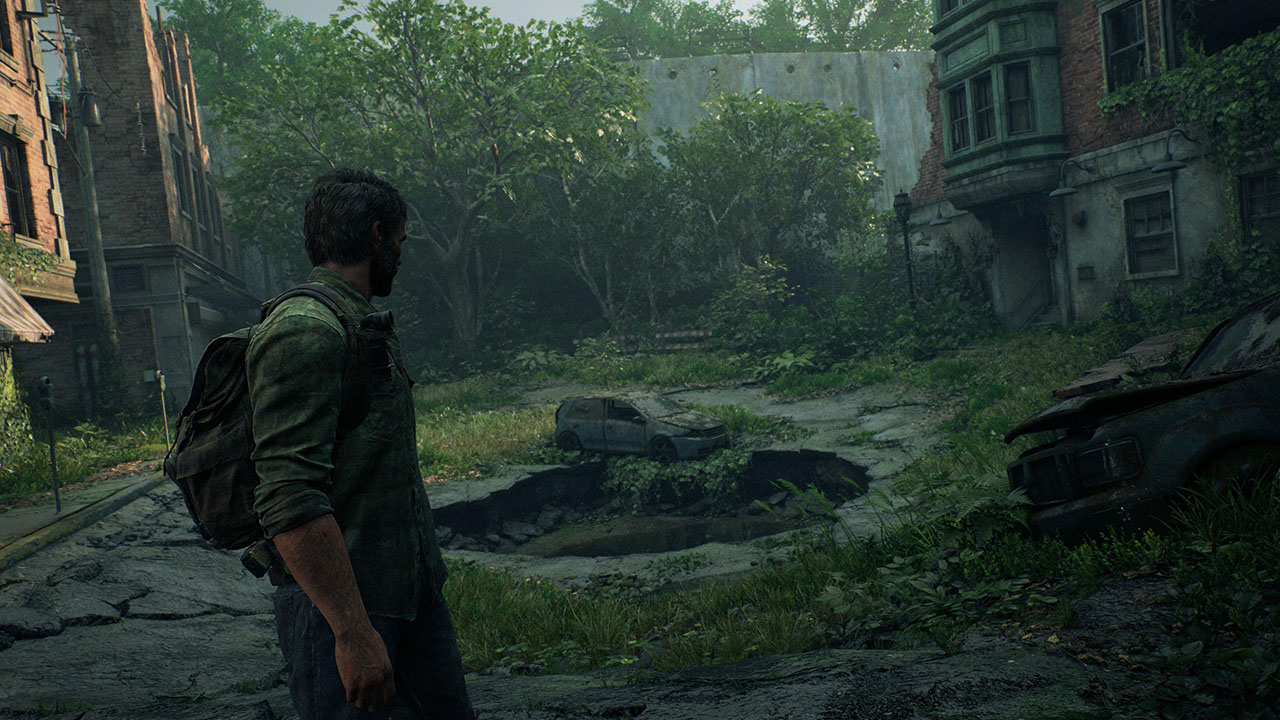
Not once through my playthrough did I have to guess what a character was feeling. Every emotion was right there, in front of me, literally painted across their faces and dancing in their eyes. And for that reason and that reason alone, The Last of Us Part 1 deserves to exist and be celebrated. With that being said, I go online and see the conversation about The Last of Us Part I being too similar to the previous versions of the game. Still, to that, I say: Exactly.
The Last of Us Part 1 isn’t trying to be a new game; it’s not trying to say something new or reinvent the wheel. The Last of Us Part 1 is a faithful and heartfelt remake of the original that captures what the game was always meant to look and feel like and brings it to us now. The lighting, textures and polished animation don’t just make The Last of Us Part 1 a prettier game, but one that hits harder and feels more meaningful.

Several minor, subtle improvements to the gameplay also help the story feel much smoother and polished. The characters are easier to control and manage, making your progression through the game much more immersive feeling. In the same vein, combat feels sharper and more responsive, meaning each fight felt like me against the infected instead of me against the controls.
And then you also have the slew of new accessibility features in the game. I’ve spoken before about my love for subtitles and hatred for small text that causes me to squint at the screen; well, thanks to The Last of Us Part 1’s impressive accessibility options, I never had a problem lying back and playing from my couch. Everything was readable, visible and hearable. Again, not a tremendous change to the game, but something so well incorporated that I can’t imagine playing without it.