A tablet is like the middle child of the home tech device family. Between the “why can’t you be more like your big bro with his top of the class benchmark scores” PC and the “your baby sister has Facebook too, you’re not so special” smartphone, it’s become increasingly difficult to distinguish a relevant space for one if you’re on a limited budget. Big bro needs more RAM and a new GPU for school. Baby sister’s contract is almost finished, and the upgrade is mostly tax-deductible. What about a tablet? Maybe next Xmas.
Don’t get me wrong. When Apple launched its first 9.7-inch iPad in 2010, tablets were an instant must-have accessory for screen junkies – but at the same time, remember, most smartphones measured about 3.5-inches. That was a significant difference. But in 2021, you can get 7-inch tablets and 7-inch smartphones, and I’m not even getting started on “phablets”. That’s a less significant difference without going into complicated hardware specs and features, and now I have to explain to my mom that the Fake, Inc. Tab-O-Tron 5000 on sale doesn’t support a SIM card or iOS or whatever. I also have to explain SIM cards and iOS. Kill me.
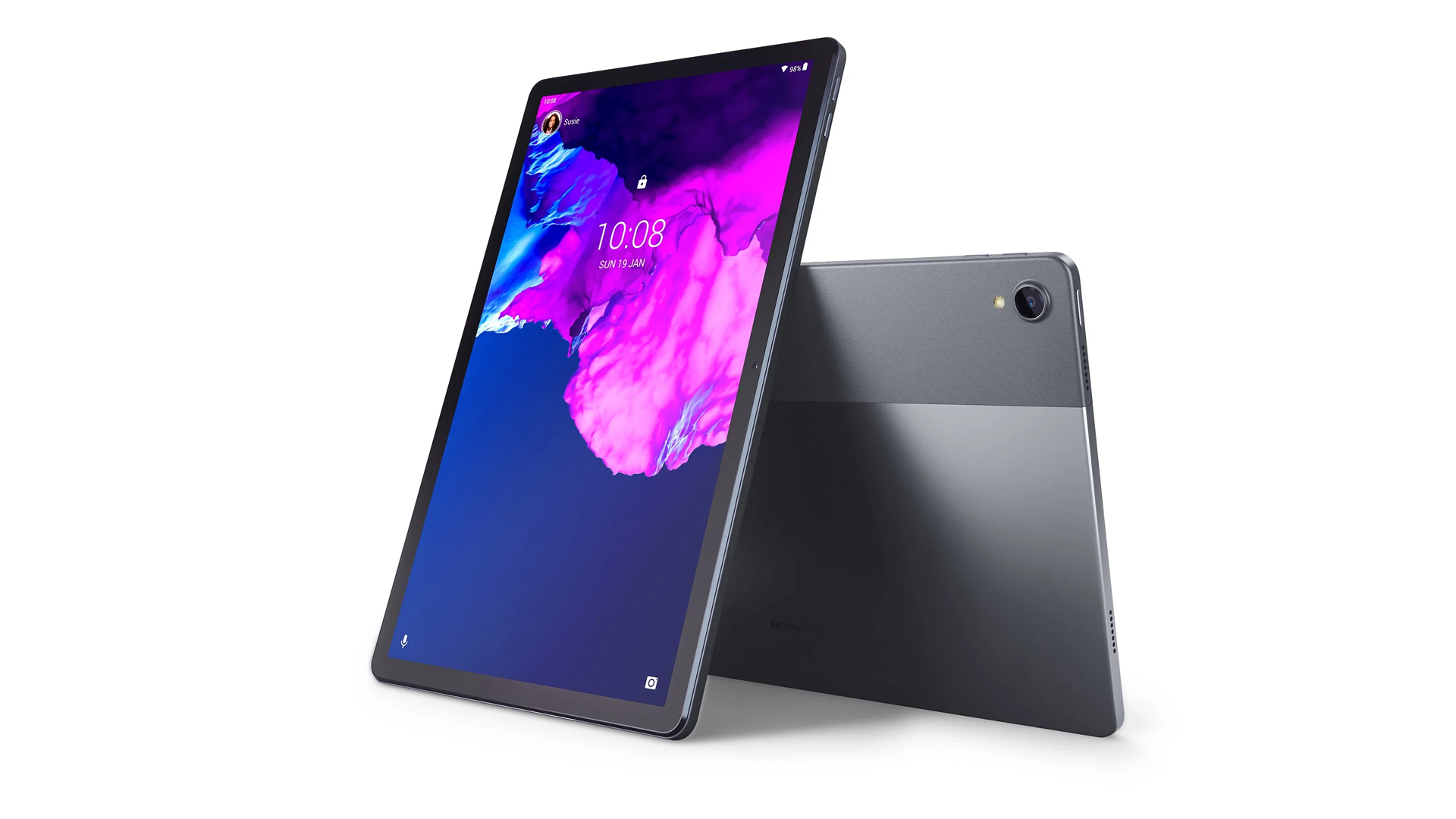
With its 11-inch display, the Lenovo Tab P11 is obviously a tablet, not a smartphone. The model I was sent for review is restricted to Wi-Fi connectivity, but LTE models are available too. In terms of design and aesthetics, it’s more or less identical to every other tablet out the box, but its 2,000 x 1,200 pixel res, super vibrant colours, and almost 180-degree view angle were immediately impressive. So’s the battery – depending on the application, I clocked from six to ten hours or so before recharging – and the audio quality was, unexpectedly, very decent.
It’s got some problems, though, so lemme talk about those. No headphone jack. That won’t be a problem in five years, I guess, but it’s a problem now if you don’t have wireless headphones. Also, the Lenovo Tab P11 is an Android tablet, and some apps – Twitter, for example – are mobile versions that aren’t optimised for an 11-inch, hi-res screen. That’s an Android problem, not a Lenovo problem, but it’s a problem.
I haven’t actually used a tablet since, I dunno, like 2015, so I wanted to try out two things that didn’t even exist then.
First, Photoshop Sketch. I’ve got a Wacom Intuos Pro for graphics projects on PC, but it’s just not the same as doodling on a screen and I’m too cheap to splash out on a Cintiq. At a fraction of the cost, tablets are an intriguing alternative for a lot of casual users.
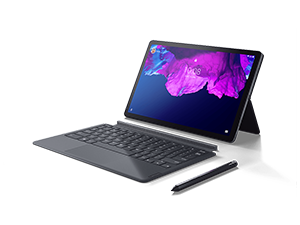
This Lenovo Tab P11 model doesn’t include one of the company’s fancy Lenovo Pens (I think the Lenovo Tab P11 Pro does), but my trash-class, no-name stylus that I’ve had since forever worked okay. More importantly, perhaps, the CPU had no problem keeping up with the necessary processing, and the app felt fast and responsive. I could totally get into this.
Next, Xbox Remote Play. Since it launched in 2020, I’ve occasionally streamed games to my smartphone because it’s the future and I can. Also because my TV is three metres from the couch, and if there’s a lot of text on the screen, it’s kind of hard to read at that distance. And because, you know, games on the toilet. Get your games on the go, when you’ve gotta go. Boom, marketing campaign.
Anyway.
For me, this is probably the most compelling reason to get a tablet, and at its convenient size, the Lenovo Tab P11 is bang in the “Goldilocks zone”. Same deal with Netflix and other media apps. Forget about productivity and emails, it’s an ultra-portable entertainment system.