Having submitted multiple applications since 2015, the company’s patent has now been approved by the US Patent and Trademark Office. But is this a bad thing for game design? Some critics think so.
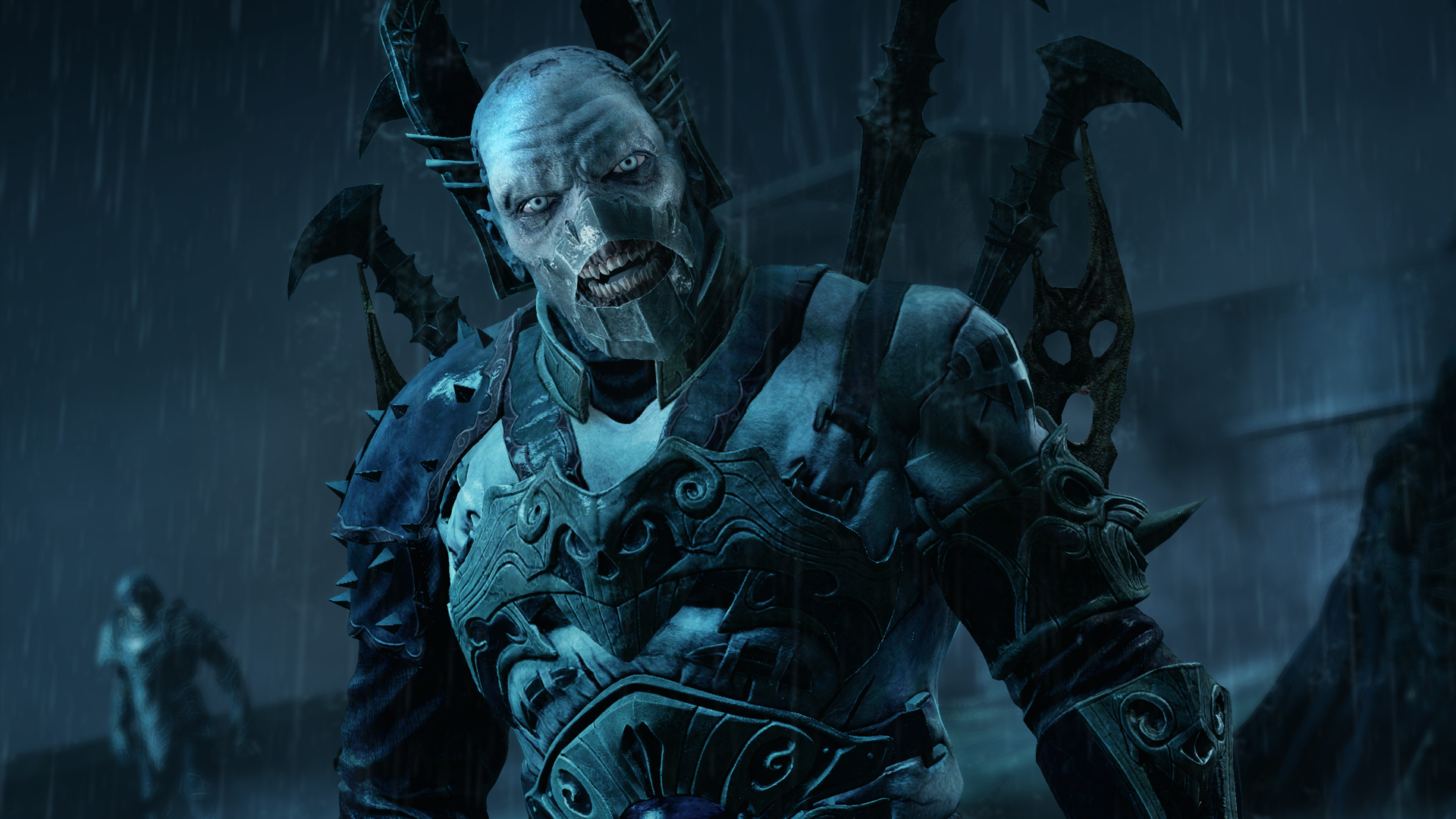
First introduced in 2014’s Middle-earth: Shadow of Mordor and subsequently expanded in the game’s 2017 sequel Middle-earth: Shadow of War, the procedural Nemesis system populates the game world with randomly generated NPCs who respond to player interactions with them by moving up through a sort of enemy hierarchy, improving their stats and skills and building a sort of custom personalised enmity with you over time. I actually remember attending a backstage developer presentation of the Nemesis system at Gamescom in 2013, and was super impressed with it – maybe almost even as much as the developers were.
But besides the legitimately innovative Nemesis system, the two games are more or less Assassin’s Creed: But With Orcs featuring combat mechanics copy-pasted from Rocksteady’s Batman series. Which makes this patent feel kind of hypocritical. Game design are inherently iterative, taking this from that game, and that from this other game, and making something unique out of those combinations. Unless it’s the Nemesis system, I mean, because that’s patented.
The implication is that developers working on a comparative game system would have to licence its use from WB Games, or deal with potential litigation. And according to Riot Games narrative designer Cat Manning, the terms of the patent are worryingly ambiguous.
I looked at the patent & it’s so broad as to be absurd! multiple other emergent narrative systems that I have seen & worked on could be described with their language! It probably would not be legally enforceable but I & other indie devs don’t have the money to find out!
— Cat Manning (🐅,✨) (@catacalypto) February 6, 2021
Obsidian studio boss Josh Sawyer was more, uh, candid.
somehow i missed that WB patented the Nemesis™ system.
lmao what a load of shit.
— Josh Sawyer (@jesawyer) January 29, 2021
For some perspective on the complications of patents, Nintendo had a patent on its iconic cross-shaped D-pad design, debuted in 1982 with the Game & Watch, until 2005. That’s why no other controllers used the same design before then, despite it being perhaps the most functional and intuitive design.